
Arizona Was On Fire in 2019
Arizona had a very cool May in 2019. Residents of the state enjoyed an extra long spring, and they loved every second of it. The overflow parking lots of the zoo were full, Desert Botanical Gardens had people observing the flowers and birds at all hours of the day, and downtown was alive with people walking the streets in what felt like the bliss of fall crispness.
Few people would have guessed that this would be followed by an explosion of fires across the desert. Except… maybe, the people that were watching the various invasive grasses and plants that were also flourishing in the wet, cool weather that led up to the pressing heat of summer.
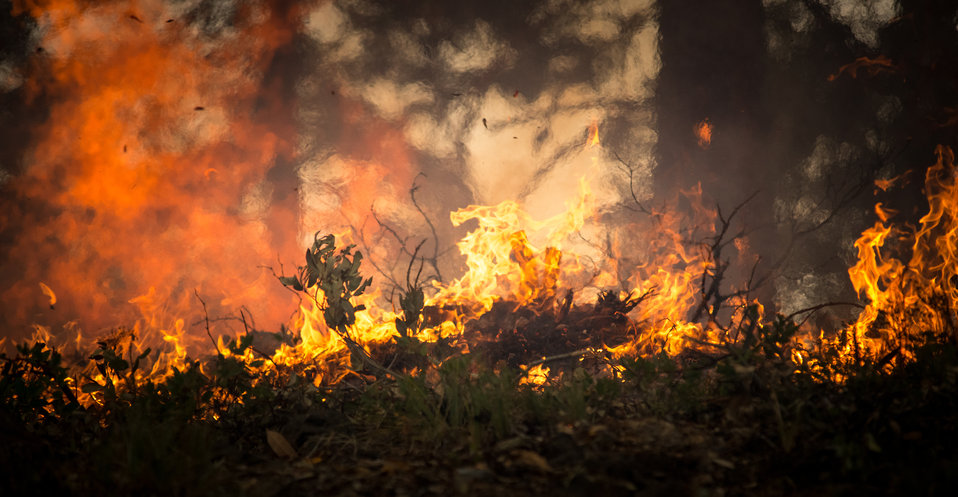
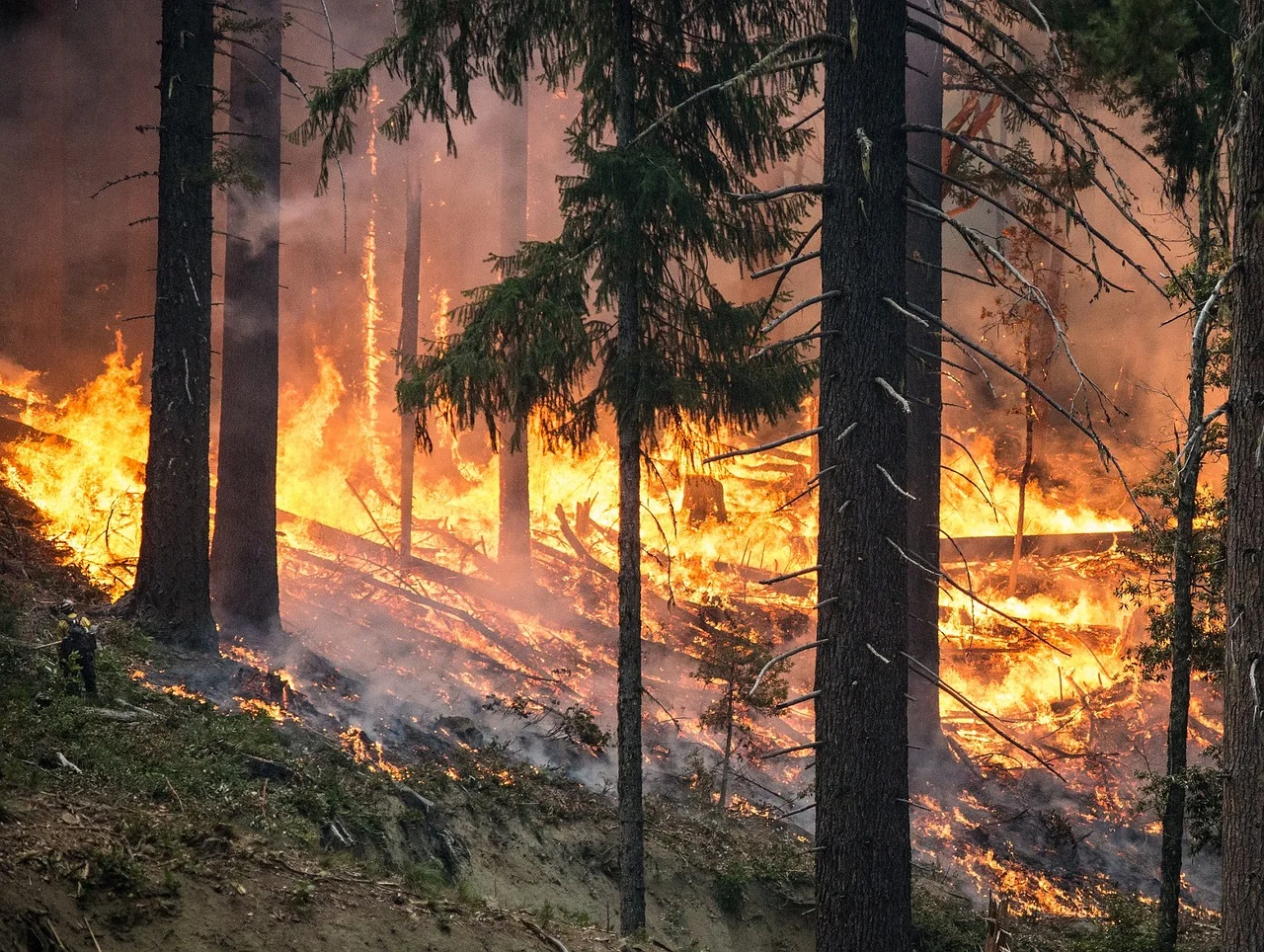
As of June 2019, there were five major fires raging across the state, several of them near the capital of Phoenix. These included:
Woodbury fire, in Tonto National Park, which was human caused. As of July 3, 2019, it was 80% contained but by this point it had burned 123,875 acres of a well-loved part of the National Forest (https://inciweb.nwcg.gov/incident/6382/).
Coldwater fire, in Coconino National Forest, was started by a lightning strike and burned through 17,000+ acres before it was contained.
Mountain fire, east of Cave Creek, was also human started but luckily was contained relatively fast.
White Wing fire, near Whittmann, was a bush fire that burned over 2,700 acres before it was contained
Maroon fire, northeast of Flagstaff, was started by a lightning strike and burned more than 8,600 acres
The Predictive Warnings of Buffelgrass
Ten years ago, I joined a small, grassroots group in Phoenix called the Phoenix Weedwackers. Our job was to go out into the city's mountain parks and remove invasive plants, often times by hand. It was backbreaking work, but essential to slow the spread of a variety of plants that thrive in the Arizona desert, out-competing plants from Arizona due to a lack of competition and predators. One of our most common targets was Buffelgrass (Cenchrus ciliaris), which was introduced to the Sonoran Desert as forage for cattle. This grass is extremely hardy and found throughout the "old world" from Africa to Asia and southern Europe. The primary problem that arises with its relatively new presence in Arizona…? Fire.
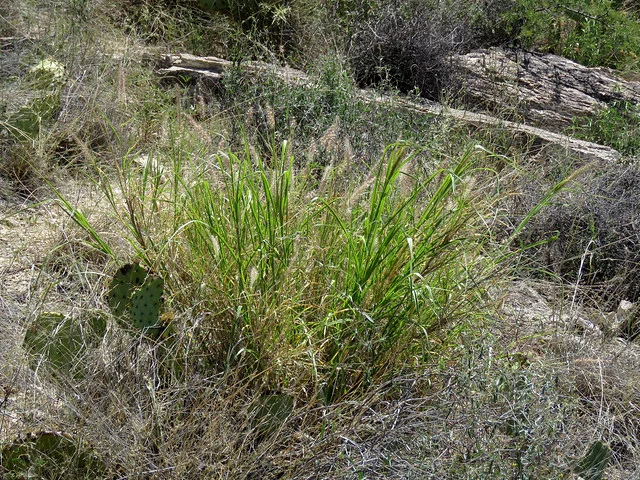
Buffelgrass is a fire loving species that thrives when it is burnt down to the soil. It is highly flammable and burns at an extremely hot temperature. When the fire clears, the buffelgrass regrows, while much of the native Arizona species, which are maladapted to fire, do not. In this way, buffelgrass has slowly but surely pushed natives species to the margins in areas where its growth has gone unchecked. Not even saguaros are safe from the fire-prone species.
Ten years ago, we knew that this plant was a problem. There are videos on Youtube with dramatic doomsday music and scientists warning us about the potential native-plant apocalypse that buffelgrass could bring. While the many fires of 2019 aren't directly linked to this species, there is no doubt that the massive growth of many invasive species in the past decade and beyond has given fires in the region more of a dangerous foothold than ever before. What's worse, we still aren't sure what the best way is to remove and fight off buffelgrass, although there are people hard at work searching for solutions.
Other Invasive Plants in Arizona
The Northern Arizona Invasive Plant (https://www.nazinvasiveplants.org/) website is a great resource to learn more about non-native plants growing out of control in Arizona. It doesn't cover every species (you will notice that buffelgrass is missing, for example), but from their resources you can get a feel for just what sort of struggle land managers and conservation practitioners are facing as they try to get a handle on these many "pests."
When We Are Part of the Problem
The days of widespread ranching in Arizona may or may not be over, but we might think that we know better now than to release plants from other countries into the wild to serve our own ends. For some, that might be true, but in many cases, the introduction of invasive plants is more casual than you might think.
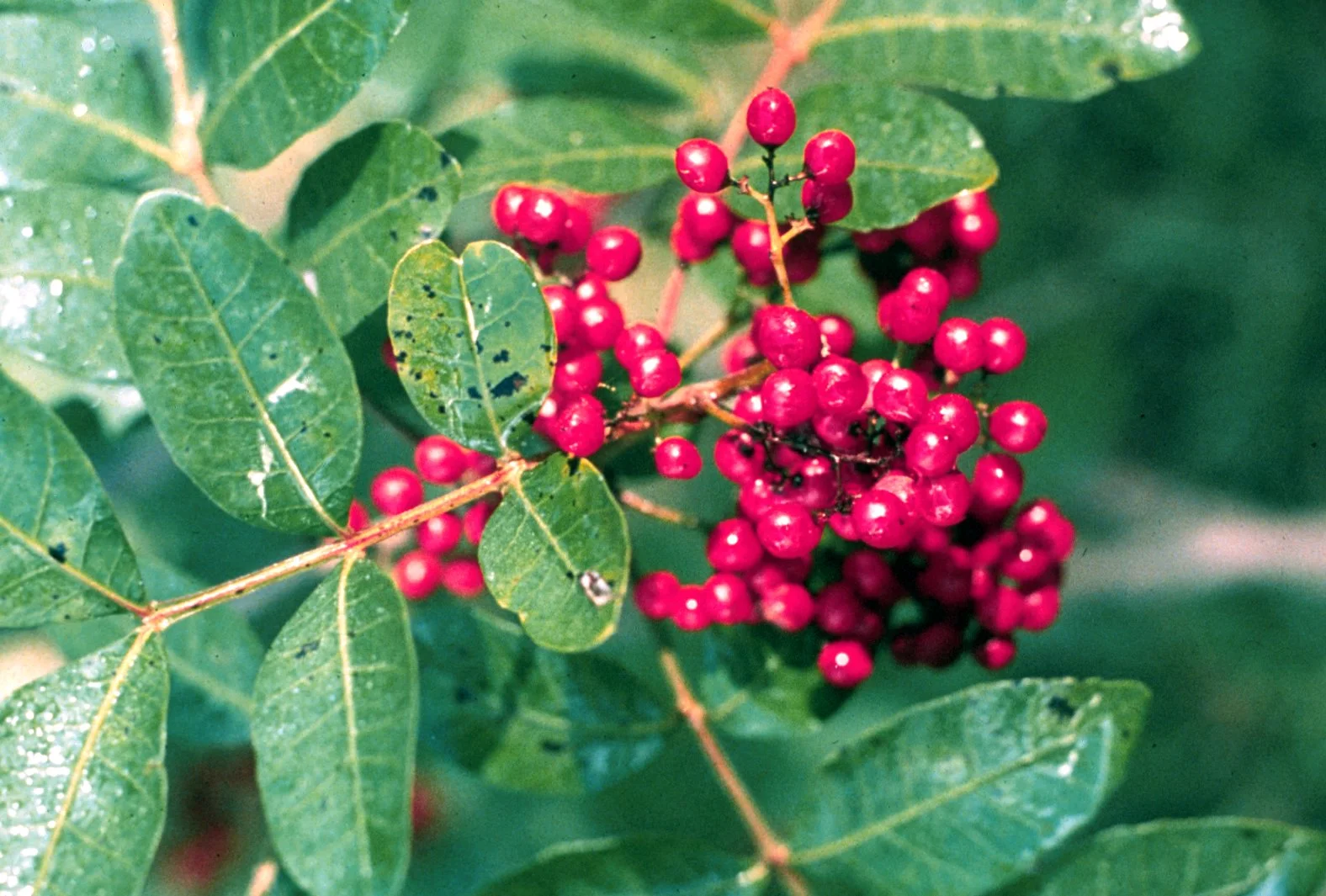
For example, this year, the Brazilian Pepper Tree was noted as an invasive in California. At the same time, it is readily sold at nurseries, and unknowingly people have been seeding the way for this species' spread in their own backyards. This isn't an isolated incident.
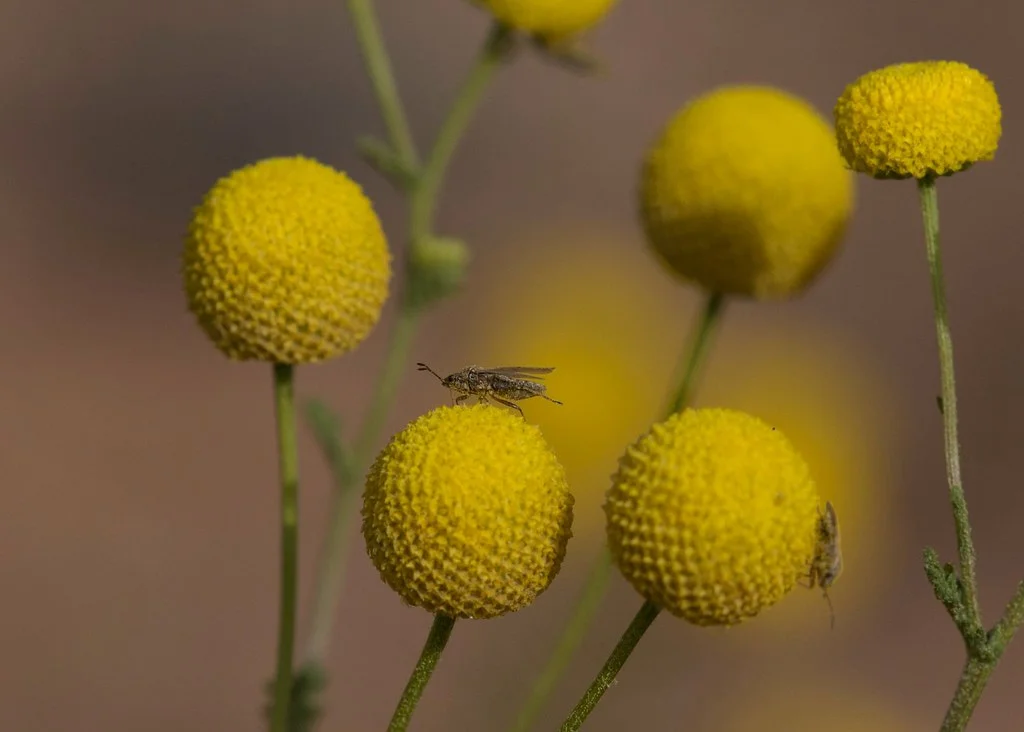
Look at almost any vacant lot in Phoenix and you will likely see a handful of invasives without even knowing it unless you know what you are looking for. For example, the aptly named Stinknet can be found in almost any marginal space in Phoenix in 2019. This plant, which browns and dies in the summer heat, is another source of fuel for fires, but seems to go unnoticed in the city.
So, in the problem, comes part of the solution. No matter where you live, check out the resources on invasive species in your state. When you see them in nurseries, definitely avoid buying and planting them. If you are an outgoing person, consider politely asking the nursery about what they know about the plant, and see if they are aware that it's invasive. If you own a big lot somewhere, make sure to prune out all those invasive plants that you've learned about. Consider helpful alternatives, like milkweed that serve as important habitat for monarch butterflies, or bee friendly plants.
If you have time or money resources on hand, also consider supporting organizations in your area that are trying to find effective ways to control invasive species.

Written by Aireona Bonnie Raschke, Ph.D. (Senior Consultant)